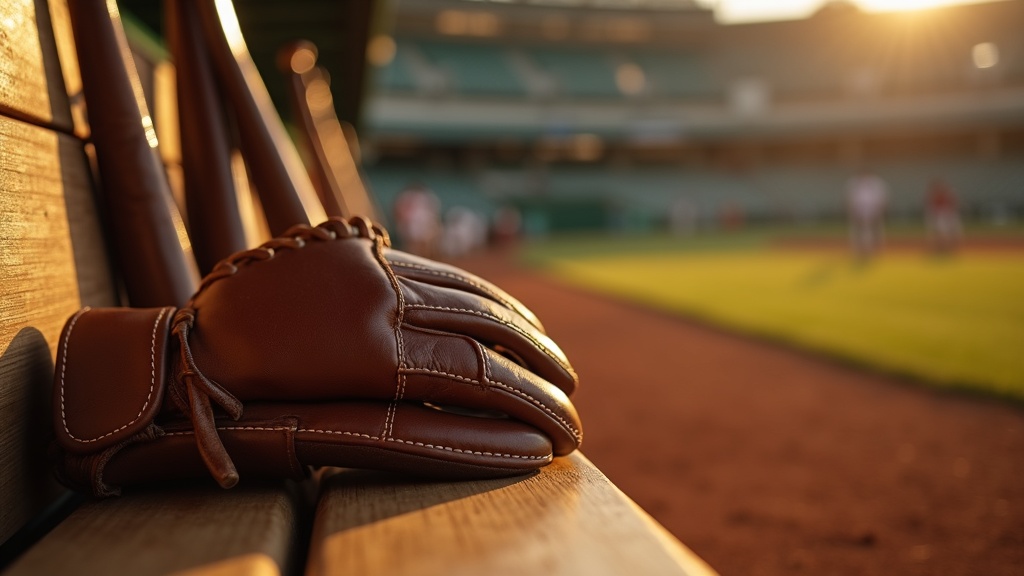
The right pair of batting gloves comes down to three things: a snug, wrinkle-free fit through the palm and fingers, a material that matches how often and how hard you play, and a closure that keeps the glove locked to your hand without cutting off your swing. Get those three right and everything else — colors, logos, price tier — is just preference. Get them wrong, and you’ll be fighting your equipment instead of your pitcher.
Batting gloves seem simple until you’re standing in a store aisle staring at a wall of them. This guide walks through what actually matters, what’s marketing, and how to buy a pair that holds up whether you’re playing rec ball twice a week or grinding through a full travel season.
What batting gloves are actually for
Batting gloves exist to improve grip, cut down on the sting of vibration when a bat is hit off the handle, and protect skin from blisters and abrasion built up over a long season of swings. They’re not required by rule the way a helmet is, but at nearly every level above tee-ball, players wear them because the difference in bat control is noticeable once you’re used to it.
They also do a little bit of the same job leather gloves have always done in this sport — bridging your hand to the equipment. It’s worth noting that batting gloves are a different animal entirely from fielding gloves; if you’re curious how the fielding glove itself changed over generations, that’s covered in our piece on how the baseball glove has evolved over 150 years.
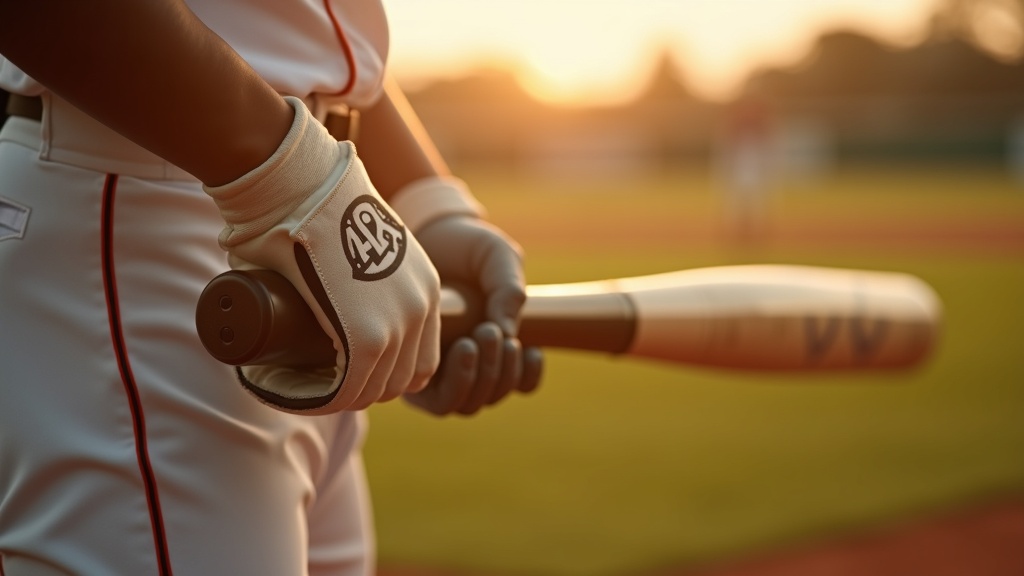
What the rules say about batting gloves
- Little League treats them as optional. Its equipment guide for parents and local leagues lists batting gloves as “if desired,” while a batting helmet is required equipment, and helmets that families bring must meet the NOCSAE standard (Little League: equipping a Little Leaguer, Little League: gear for practices).
- The grip rules are about the bat, not the glove. Little League allows pine tar or a similar adhesive on the handle or grip of a bat, but never on the barrel or over the certification mark, and every non-wood bat needs a grip of cork, tape or composition material at least 10 inches long (Little League bat rules). See our bat rules page.
- Major League rules count batting gloves as worn equipment even when they are tucked in a back pocket, which matters when a ball touches a player (2026 Official Baseball Rules, definition of Touch).
So a buying decision about batting gloves is about comfort and grip, not legality. A tee ball or Minor League player can skip them without breaking any rule.
Fit comes before everything else
A batting glove that’s even slightly loose will bunch up in the palm exactly where you need the most feedback from the bat. A glove that’s too tight restricts the flex in your fingers and can actually make your grip worse, not better. The goal is skin-tight through the palm and fingers with just enough room that your fingertips reach the very end of the glove without curling.
- Try before you buy when possible. Sizing varies noticeably between brands, so a “medium” in one line can fit like a small in another.
- Make a fist and swing a phantom bat while wearing the glove in the store. Wrinkling across the palm usually means it’s too big.
- Check the wrist strap length. Younger players especially end up with straps that are too long and flap around; some gloves let you trim excess material.
If you’re outfitting a younger player and this is your first time buying any kind of glove for them, our guide to choosing the right youth baseball glove size covers a lot of the same fit logic, even though it’s written for fielding gloves specifically.
Materials: what you’re actually paying for
Almost every batting glove on the market is some combination of leather (or synthetic leather) in the palm and a stretch fabric across the back of the hand and fingers. The differences that matter to your wallet and your grip come down to what kind of leather is used and how the panels are cut.
Cabretta leather
Cabretta, a thin, supple sheepskin, is the standard for higher-end batting gloves. It offers excellent feel and breaks in fast, which is why a lot of serious high school, college, and pro-level players prefer it. The tradeoff is durability — cabretta wears faster than tougher leathers, especially against rough bat handles or a lot of tee work.
Synthetic and composite leather
Synthetic palms are more common in gloves aimed at younger players and casual use. They’re generally cheaper, more weather-resistant, and hold up better to abrasion, though they usually don’t offer quite the same tactile feel as real leather. For a kid who’s still growing out of gear every season or two, synthetic is often the smarter buy.
Digital/multi-panel construction
Many modern gloves split the fingers into separate panels rather than using one continuous piece of leather across all four fingers. This tends to improve flexibility and let the glove move more naturally with your hand, though it can add to the price.
Closures and cuff styles
The strap system is easy to overlook but makes a real difference in how secure the glove feels during a swing.
- Velcro/hook-and-loop straps are by far the most common — adjustable, quick on and off, and reliable across price points.
- Elastic pull-on cuffs (no strap at all) are popular for a cleaner, more minimal feel, but offer less adjustability if your hand size changes or you like a very specific tightness.
- Double-strap systems show up on some higher-end gloves and give a more locked-in, custom fit, though they take slightly longer to put on between pitches.
Batting gloves by level of play
| Player level | What to prioritize | Typical material |
|---|---|---|
| Youth / coach-pitch | Affordability, durability, easy on/off | Synthetic or synthetic blend |
| Travel / competitive youth | Fit precision, grip consistency | Synthetic-leather blend |
| High school / college | Feel, breathability, durability under heavy use | Cabretta leather or premium synthetic |
| Adult rec / weekend league | Comfort, value, weather resistance | Synthetic or lower-grade leather |
Families weighing how much to invest in gear across a season should also think about the bigger picture — batting gloves are a small line item compared to bats, catching gear, or tournament fees, which we break down in our look at how much travel baseball actually costs.
How batting gloves interact with your bat grip
A glove that’s too slick or too padded can actually change how a bat handle feels in your hands, which matters more than people expect once you’ve settled on a bat that fits your swing. If you haven’t nailed down the right bat yet, it’s worth reading our guide to choosing a baseball bat by length, weight, and material before you worry too much about glove grip — the bat is the bigger variable. And if you’re still deciding between wood and aluminum for practice versus games, that’s covered in our wood vs. aluminum bats breakdown, since bat material changes how much vibration your gloves are actually absorbing.
Common buying mistakes
- Buying based on color or team look instead of fit. It’s tempting, especially for kids, but a glove that doesn’t fit won’t get worn for long.
- Sizing up “to grow into it.” Unlike a jacket, a loose batting glove doesn’t just look bad — it actively hurts your grip and feedback.
- Ignoring the return policy. Because fit varies so much by brand, buying online without a flexible return window is risky.
- Overspending for a beginner. Premium cabretta gloves are wonderful, but a player still developing their swing usually won’t notice the difference enough to justify the cost.
Caring for batting gloves so they last
Leather batting gloves in particular benefit from being allowed to air out and dry fully between uses rather than being stuffed straight into a closed bat bag. Wiping off dirt and pine tar residue after games, rather than letting it build up, keeps the palm material from stiffening prematurely. Rotating between two pairs — one for games, one for practice and tee work — is a simple habit that extends the life of your better gloves considerably.
Frequently asked questions about batting gloves
Do you need two batting gloves or just one?
Most players wear a glove on each hand, but plenty of hitters — especially at lower levels or in warmer weather — wear just one on their top hand for extra grip and feel. It’s personal preference, not a rule, so try both and see what feels more natural.
What size batting gloves should I buy for a kid?
Measure hand length and width against the brand’s size chart rather than guessing by age, since sizing varies a lot between manufacturers. The glove should fit snugly through the palm and fingers with no bunching, and you should be able to make a full fist comfortably.
How long do batting gloves usually last?
It depends heavily on material and how often you play — synthetic gloves tend to hold up longer against wear, while premium leather gloves offer better feel but wear out faster with heavy use like daily tee work or a long travel season.
Are expensive batting gloves worth it?
For serious, high-volume players, premium leather gloves often justify the price through better feel and fit precision. For beginners or occasional players, a mid-range synthetic pair usually performs almost as well for a fraction of the cost.
Can you use batting gloves for fielding too?
Batting gloves aren’t designed for catching the ball and don’t offer the padding or webbing a fielding glove provides, so they’re really meant to be worn under or alongside your glove hand while hitting or on the bases, not as a substitute for a fielding glove itself.
Reviewed against primary sources on October 3, 2026. We added the rules section that day; the earlier version said only that gloves are “not required by rule.” Sources: Little League equipment guide · Little League bat rules · 2026 Official Baseball Rules. Drafted with AI assistance; see our editorial policy.