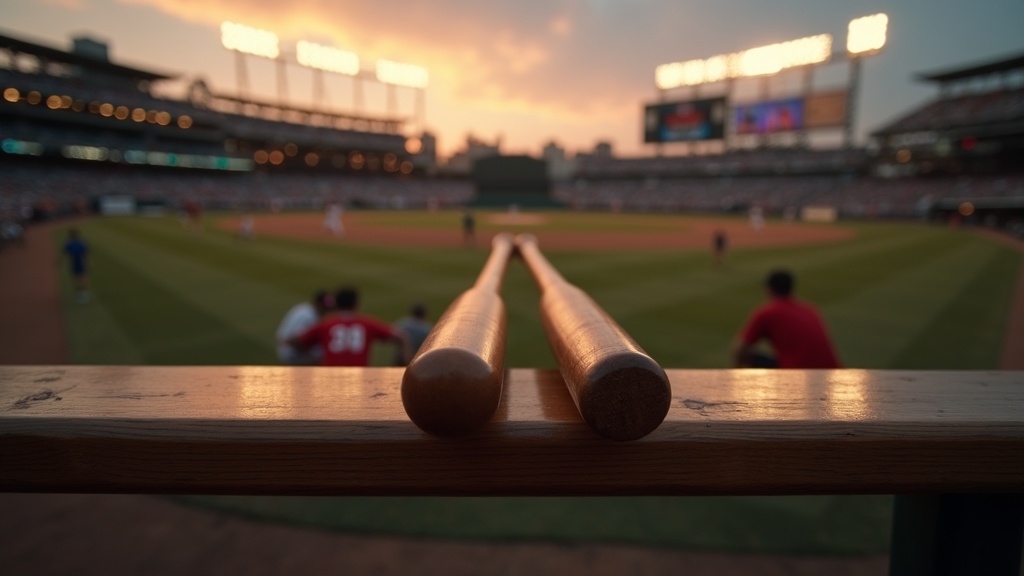
The real difference between wood and aluminum bats comes down to physics and rules: aluminum bats are hollow, lighter for their length, and have a “trampoline effect” that sends batted balls off faster, while wood bats are solid, heavier per inch, and demand more precise contact. That performance gap is exactly why Major League Baseball and most adult wood leagues require wood, while youth, high school, and college leagues generally allow engineered metal or composite bats within strict performance limits.
If you’ve ever picked up both types back to back, you’ve felt it immediately — the aluminum bat feels lighter and “livelier,” while the wood bat feels denser and less forgiving on mis-hits. That’s not just in your head. It’s the result of decades of engineering, rule-making, and a fair amount of debate about what baseball is supposed to feel like at different levels of the game.
What the rulebooks actually require
- Major League Baseball: Rule 3.02(a) says the bat must be a smooth, round stick no more than 2.61 inches in diameter at its thickest part and no more than 42 inches long, and it must be one piece of solid wood. Laminated or experimental bats need MLB approval of the design and manufacturing before use in a professional game (2026 Official Baseball Rules).
- Little League: a non-wood or laminated bat must carry the USABat logo through Intermediate and Junior League, and BBCOR-certified bats are also allowed in Intermediate and Junior. In Senior League any bat that is not a single piece of wood must be BBCOR. Solid one-piece wood bats do not need a logo (Little League bat rules).
- PONY: PONY adopted the USABat standard on January 1, 2018, and requires the USABat stamp on 2-1/4 in and 2-5/8 in barrel bats with a minus factor of -5, -7, -9 and so on; BBCOR-certified -3 bats are the exception (PONY: USA Baseball Bat Standard).
So “wood or aluminum” is rarely your choice: the stamp decides. Division-by-division length and diameter limits are on our youth bat rules page.
The core material and construction differences
Wood bats are milled from a single piece of solid timber — typically ash, maple, or birch — and their performance depends almost entirely on the density and grain of that wood and the swing behind it. There’s no hidden engineering trick; a wood bat either has good wood in it or it doesn’t, and a mis-hit near the handle or end cap can shatter it.
Aluminum bats (and their composite cousins) are hollow tubes engineered with wall thickness, alloy blends, and sometimes multi-layer materials to flex slightly on contact and spring back, adding extra pop to the ball. This “trampoline effect” is the single biggest technical difference between the two categories, and it’s precisely what governing bodies regulate so heavily at the youth and amateur levels.
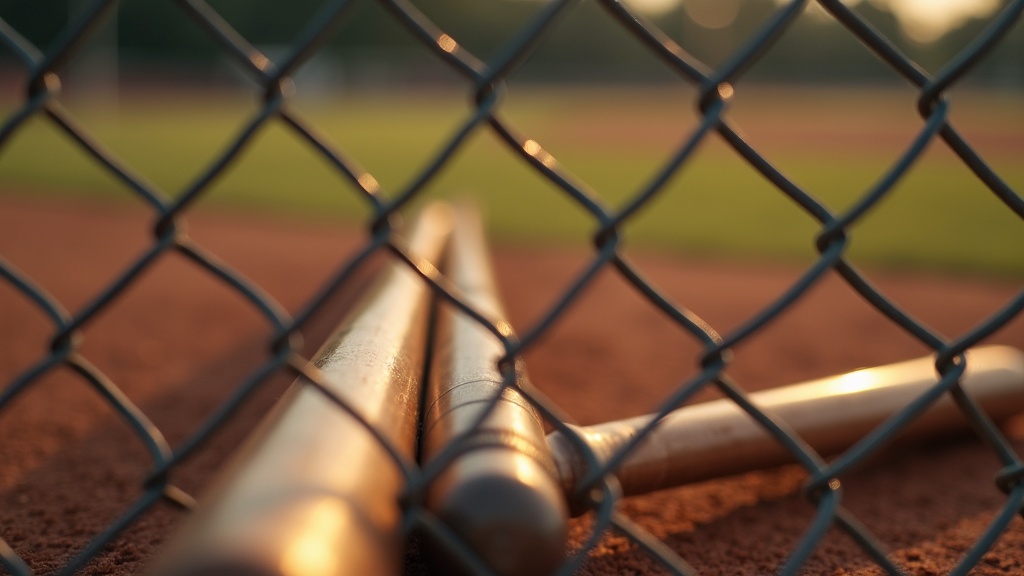
Why performance feels so different
- Sweet spot: Aluminum bats generally have a larger, more forgiving sweet spot, so contact that’s slightly off-center still travels well. Wood bats punish that same mis-hit much more directly.
- Weight distribution: Because aluminum is hollow, manufacturers can put more weight in the barrel while keeping the overall bat light, letting hitters swing faster without sacrificing barrel mass. Wood bats are limited by the density of the timber itself.
- Sound off the bat: That distinctive metallic “ping” versus the wood “crack” isn’t just aesthetic — it’s a direct result of how each material vibrates and releases energy on contact.
- Durability: A well-made aluminum bat can last years of regular use. A wood bat can break on a single bad-luck inside pitch, which is part of why wood bat leagues go through so much more equipment.
For anyone shopping for a bat, these differences matter well beyond preference — they affect price, replacement frequency, and how a young hitter develops their swing. Our guide on how to choose a baseball bat by length, weight, and material walks through fitting a bat to a specific player rather than just picking whatever’s popular.
Why MLB and wood leagues stick with wood
Major League Baseball has required wood bats essentially since the sport turned professional, and that’s stayed consistent even as amateur baseball embraced metal starting in the 1970s. Part of it is tradition and the game’s connection to its own history and eras of play, but part of it is genuinely practical: wood’s lower, more consistent trampoline effect keeps exit velocities within a range that’s considered safer and fairer for pitchers standing sixty feet, six inches away, and it preserves the balance between hitting and pitching that defines the sport at its highest level.
There’s also a competitive-integrity argument. If professional hitters could use aluminum, the gap between an elite swing and a merely good one would shrink, since metal bats reward bat speed and forgive imperfect mechanics more than wood does. Wood keeps the swing itself — not just the equipment — as the deciding factor, which matters a lot when you’re talking about records and legacies tracked in places like MLB records and legends.
Why youth and amateur baseball allow metal
Cost and durability are the biggest reasons metal dominates youth and travel ball. A quality aluminum or composite bat is a significant upfront purchase, but it can survive an entire season or more, whereas a family running through wood bats at the same rate would be replacing broken equipment constantly — an expense that adds to what’s already a notable investment, as covered in our breakdown of what travel baseball actually costs. Metal also gives developing hitters a bit more forgiveness while they’re still building consistent mechanics, which matters for keeping younger players engaged with the game rather than discouraged by broken bats and mis-hits.
That said, youth and high school bats aren’t unregulated. Organizations like USA Baseball and Little League International set specific performance standards — most notably certifications that limit how “hot” a bat can be, regulating the trampoline effect so metal bats don’t dramatically outperform wood by too wide a margin. Bats used in these divisions carry certification stamps, and leagues enforce them strictly; a bat that isn’t certified for a given division typically can’t be used in games at all.
A quick side-by-side
| Feature | Wood bats | Aluminum/composite bats |
|---|---|---|
| Construction | Solid, single piece of timber | Hollow metal or layered composite shell |
| Sweet spot | Smaller, less forgiving | Larger, more forgiving |
| Typical lifespan | Can break in one at-bat | Lasts multiple seasons with care |
| Where required | MLB, most adult wood leagues | Youth, high school, college (certified models) |
| Sound on contact | Crack | Ping |
Choosing between them as a player or parent
For a young player working through youth and travel baseball, the choice of bat material is usually made for you by league rule, but plenty of coaches still recommend wood bat practice sessions or wood bat tournaments as a development tool. Hitting consistently with wood forces a hitter to find the barrel more precisely, which tends to sharpen mechanics that carry over once they’re back in an aluminum bat during the regular season. It’s a similar philosophy to how coaches think about progressions in coach-pitch versus machine-pitch settings — building fundamentals before adding forgiveness.
Ultimately, neither material is “better” in an absolute sense — they’re suited to different purposes. Wood preserves the traditional feel and competitive balance that professional baseball is built on, while metal makes the sport more affordable and slightly more forgiving for players who are still growing into the game, literally and mechanically.
Frequently asked questions about wood vs aluminum bats
Why don’t MLB players use aluminum bats?
MLB has required wood bats since professional baseball began, largely to preserve competitive balance between hitters and pitchers and to keep exit velocities within a range considered fair and consistent. Aluminum’s trampoline effect would meaningfully change offensive output and records.
Are aluminum bats actually better than wood?
“Better” depends on context. Aluminum bats are generally more forgiving, more durable, and give more distance on mis-hits, which suits developing hitters. Wood demands more precise contact, which is why many leagues that value tradition or competitive purity, including MLB, require it.
Can kids use wood bats in Little League?
Yes, wood bats are legal in most youth divisions as long as they meet the league’s size and weight rules, though most players use certified aluminum or composite bats for the added forgiveness and durability during a full season of games and practices.
Why do aluminum bats sound different than wood bats?
The metallic “ping” comes from how a hollow aluminum or composite shell vibrates and flexes on contact, releasing energy differently than a solid wood barrel. Wood’s dense, solid construction produces the deeper “crack” sound associated with traditional baseball.
Do wood bats break more easily than aluminum bats?
Generally yes. A solid wood bat can crack or shatter from a single mis-hit near the handle or end, especially with maple, while aluminum and composite bats are built to absorb repeated impacts and typically last much longer under regular game and practice use.
Related reading
Baseball Cleats: Metal vs Molded vs Turf Explained.
Reviewed against primary sources on October 3, 2026. We added the rulebook requirements to this article that day. Sources: 2026 Official Baseball Rules, Rule 3.02 · Little League bat rules · PONY bat standard. Drafted with AI assistance; see our editorial policy.