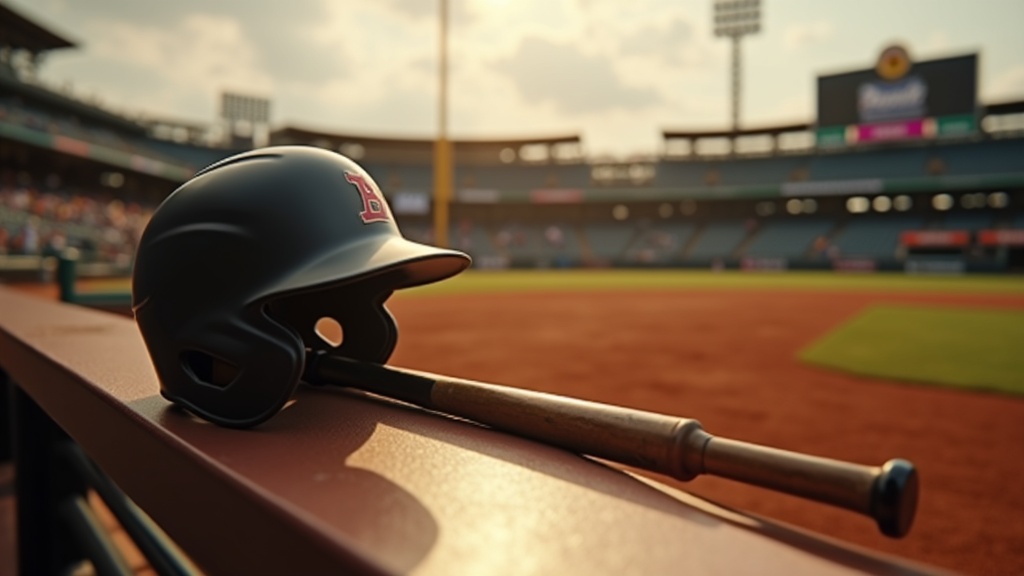
The right batting helmet is the one that fits your head snugly without gaps or excessive pressure, carries a current NOCSAE safety certification, and meets your league’s rules on ear flaps and face protection. Beyond that baseline, the “best” helmet comes down to comfort, visibility, and how it holds up over a long season. Skip the flashy paint job and start with fit — everything else is secondary.
Why the helmet matters more than people think
Batters spend a lot of time standing in the box facing pitches, and a helmet that shifts, pinches, or fogs up a player’s confidence is a bigger problem than most parents realize. Unlike a glove that molds to a hand over a season, a helmet either fits on day one or it doesn’t. If you’ve already read our guide on choosing a baseball bat or worked through picking the right youth glove size, think of the helmet the same way: it’s not a “buy big and grow into it” item. A helmet that’s too loose can shift on contact or during a swing, and one that’s too tight can distract a hitter or leave red marks that discourage them from wearing it correctly.
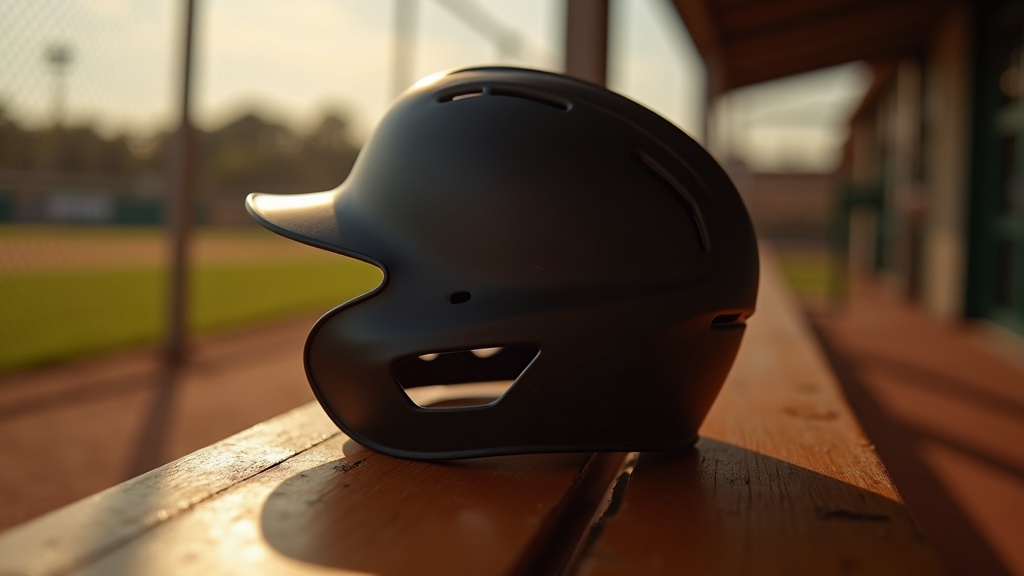
Start with certification, not style
Every batting helmet sold for organized play in the United States should carry a NOCSAE (National Operating Committee on Standards for Athletic Equipment) certification stamp or label. This isn’t a marketing badge — it means the helmet has been tested against an established impact standard. Leagues at every level, from coach-pitch programs through high school and beyond, generally require NOCSAE-certified helmets, and umpires or league officials can and do check for the stamp before games. If you’re shopping secondhand or inheriting an older helmet from an older sibling, check the label for wear, cracking, or a certification date that looks dated before assuming it’s still game-legal. When in doubt, a league’s rulebook or a certified coach is the right source to confirm current requirements — not a general assumption based on what worked a few years ago.
What Little League requires, and what umpires check
- Always a NOCSAE helmet. Little League’s Safety Code says batters must wear protective NOCSAE helmets during practice as well as games (Appendix B: Safety Code).
- The pre-game inspection. Managers and coaches must inspect equipment before every game. A batting helmet must carry the NOCSAE symbol, be free of cracks or other visible damage, and have internal padding that is not missing, tattered, torn or frayed. Helmets may not be repainted and may not contain tape, and Little League recommends no alterations of any kind (Little League: equipment inspection).
- Add-ons can void certification. Under Rule 1.16, modifying a batting helmet, including drilling holes to attach something, can make it illegal for Little League play. A cheek protector or face guard that was not packaged with the helmet counts as a modification, and the manufacturer may void the NOCSAE certification. To use an attachment, the helmet manufacturer must supply a notice that adding it has not voided certification, and that notice must be shown to the umpire before the game (Little League: modifying helmets).
Practical takeaway: buy a helmet with the NOCSAE mark, do not paint it or add anything the manufacturer did not approve, and look it over for cracks and worn padding before the season and between games. For gloves and other gear, see the batting gloves guide.
Getting the fit right
Most youth and adult batting helmets are sold in a small range of sizes (often based on hat or head circumference) with an adjustable pad system or dial-fit mechanism inside. A good fit means:
- The helmet sits level, not tilted back off the forehead or pushed too far down over the eyes.
- There’s no side-to-side rocking when the player shakes their head gently.
- The ear flap lines up with the ear rather than sitting noticeably above or below it.
- There’s room for a light batting glove-free hand check — not so tight it leaves marks, not so loose it slides on a practice swing.
For younger players especially, it’s worth trying the helmet on with any hair accessories or hats they’d actually wear during a game, since that can change the fit by a surprising amount. And because kids grow quickly, it’s smart to recheck fit at the start of each season rather than assuming last year’s helmet still sits right — a theme that comes up constantly across youth and travel baseball gear decisions, from cleats to gloves to batting equipment.
One flap, two flaps, or a C-flap?
Batting helmets generally come in a few configurations:
- Single ear flap — covers only the ear facing the pitcher, common in many amateur and some youth leagues where it’s allowed.
- Double ear flap — covers both ears, often required at younger age levels and in many Little League divisions regardless of which side the batter faces.
- C-flap (jaw guard) — an add-on or built-in piece that extends down to protect the jaw and cheek area on the side facing the pitcher. These have become increasingly common at higher levels of amateur and professional play, though league rules on whether they’re required, optional, or need to be a certain design vary.
Before buying, check your specific league’s equipment rules rather than assuming a helmet style seen on TV or at a travel tournament is automatically legal everywhere. This is especially true for younger divisions and for the jump between coach-pitch and machine-pitch setups, where equipment requirements can shift along with the format of the game.
Visibility, ventilation, and everyday comfort
A helmet a player actually wants to wear correctly — all the way on, buckled or snapped if applicable, not pushed back — beats a technically “better” helmet that gets ignored or worn loosely. Look for:
- Vent holes or channels that help with airflow during hot day games.
- A visor or brim that doesn’t obstruct the batter’s eye line to the pitcher.
- Lightweight shell construction, since younger players in particular notice a heavy helmet by the third or fourth inning.
- A finish that resists scuffing, since helmets get dropped, sat on, and tossed into equipment bags more than almost any other piece of gear.
When to replace a helmet
Helmets don’t last forever, and general safety guidance from equipment manufacturers and standards bodies typically points to replacing a helmet after a hard impact, after any visible cracking or shell damage, or once it’s aged past the certification window printed inside. This isn’t a topic where a blanket number of years applies universally across every brand and model — check the manufacturer’s guidance and the NOCSAE label, and when there’s any doubt about a helmet’s condition after a collision or foul tip to the head, the safe and simple move is to retire it and get a new one rather than guess.
Matching the helmet to the rest of the at-bat
A batting helmet doesn’t work in isolation — it’s part of a full at-bat setup alongside the bat and batting gloves a hitter chooses. If you’re also sorting out bat length and weight, our piece on how to choose a baseball bat walks through that decision, and the differences covered in wood vs. aluminum bats are worth understanding if a player is moving between league types. For batting gloves, our batting gloves buyer’s guide covers grip and fit in the same practical way. And if your family is weighing a jump into a more competitive schedule, it’s worth reading whether travel baseball is right for your kid, since equipment needs — including helmets that meet tournament-specific rules — often change with the level of play. For a broader look at bats, gloves, and helmets together, the Equipment & Gear section is a good home base.
Frequently asked questions about choosing a batting helmet
How do I know what size batting helmet my kid needs?
Measure around the largest part of the head (just above the eyebrows) and compare it to the manufacturer’s size chart, then try the helmet on with the adjustable fit dial or pads set to hold it snug but not tight, checking that it doesn’t rock or slide during a light head shake.
Is a C-flap required in Little League?
Requirements vary by league and division, so check current Little League International rules or your local league’s equipment policy rather than assuming; some divisions allow, require, or don’t address C-flaps at all, and rules can change from season to season.
Can you use the same batting helmet for baseball and softball?
Some helmets are certified and sized for both, but fit, face-guard requirements, and NOCSAE standards can differ between the sports, so check the label and your league’s rules before assuming a helmet is interchangeable.
How long do batting helmets actually last?
It depends on the manufacturer, usage, and impact history rather than a fixed number of years across all brands; check the certification date and manufacturer guidance printed inside the shell, and replace a helmet after any hard impact or visible damage.
Do batting helmets expire?
Many carry a certification or manufacture date, and standards bodies periodically update testing requirements, so an older helmet may no longer meet current certification even if it looks fine; when unsure, check the label or ask your league.
For more on how equipment requirements shift as players move up in competition, the Rules Explained archive is worth a browse alongside your league’s official handbook.
Reviewed against primary sources on October 3, 2026. We added the league rules that day; the article had described certification only in general terms. Sources: Little League Safety Code · Little League: equipment inspection · Little League: helmet modifications. Drafted with AI assistance; see our editorial policy.