Fenway Park’s Green Monster Explained

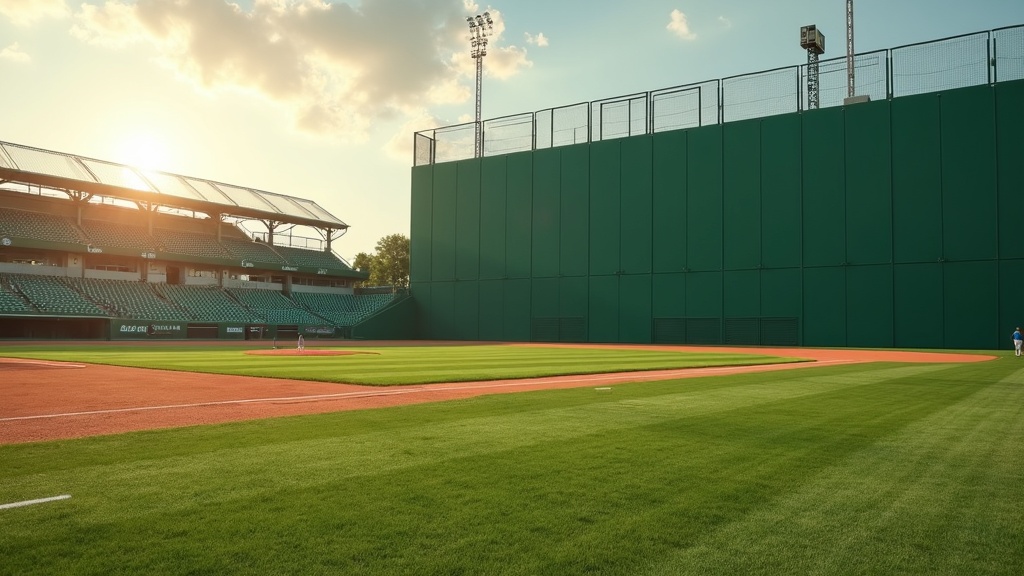
The Green Monster is the nickname for the tall left field wall at Fenway Park, home of the Boston Red Sox. Standing far higher than a typical outfield fence, it turns routine fly balls into off-the-wall doubles and turns line drives that would be homers anywhere else into weird, high-bouncing singles. It’s become one of the most recognizable structures in American sports, and it exists mainly because of a quirk of geography: Fenway was squeezed onto a small city block, and the wall was the practical solution to a short left field.

Why does the Green Monster exist?

Fenway Park opened in the early 1910s, tucked into an urban neighborhood where land was tight. Unlike ballparks built later on open suburban land, Fenway couldn’t simply extend its outfield dimensions to a standard, symmetrical shape. Left field was unusually shallow, so a low fence there would have turned an ordinary fly ball into a cheap home run far too often. The team’s answer was to build up instead of out — a tall wall that kept the short distance to the foul pole from making the game silly, while still rewarding hitters who could clear it. Over the decades the wall has been rebuilt and modified, but the basic idea has stayed the same: compensate for a shallow outfield with height rather than depth.

That’s a theme that runs through a lot of early 20th-century ballpark design, and it’s part of why older parks tend to have such distinct personalities compared to the more cookie-cutter stadiums built decades later. If you enjoy that kind of stadium quirk and lore, it’s worth browsing the site’s Ballparks & Fan Culture hub for more on how individual parks shaped the way the game is played and watched.

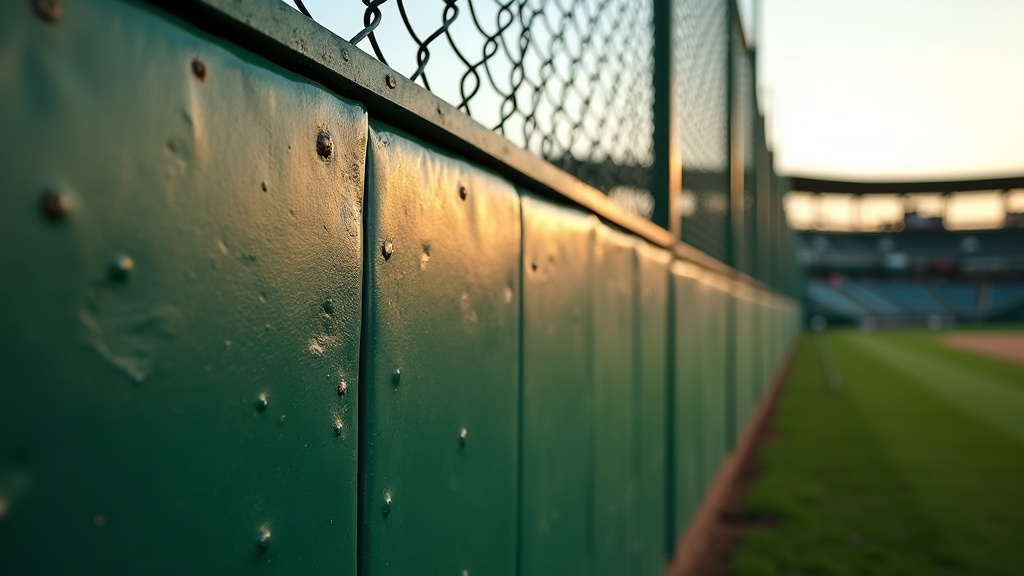
Close-up of the textured green wall padding on the Green Monster outfield wall

How tall is the Green Monster, really?

The wall is famously tall — generally described as standing somewhere in the range of thirty-plus feet, making it one of the tallest fair-territory outfield walls in Major League Baseball. That height, combined with the short distance from home plate to the wall down the left field line, is what makes it such an unusual offensive factor. A ball that would be a routine out to the warning track in most parks can bang off the wall for extra bases at Fenway, while a ball that looks like a sure home run off the bat can die against the wall and stay in the park. Because the wall’s exact dimensions have shifted slightly over different renovations, it’s more useful to think of it in terms of what it does to the game than to fixate on a single precise number.

The screen, seats, and scoreboard on the wall

Above the wall itself, Fenway has at various points added seating, a net or screen to protect fans and nearby streets from home run balls, and in-wall features like the manually operated scoreboard built into the base of the wall. That scoreboard is itself a beloved piece of ballpark tradition — operators inside the wall change the numbers by hand during the game, a practice that’s largely disappeared from modern stadiums but survives at Fenway as a link to an earlier era of the sport.

Why does the wall’s shape matter for hitters and fielders?

The Green Monster changes the calculus for both sides of the ball in ways that go beyond just “the wall is tall.” A few of the practical effects:

  • Doubles instead of homers: Line drives that would clear a normal fence often smack off the wall and stay in play, turning would-be home runs into stand-up doubles or even outs if an outfielder plays the carom well.
  • Cheap home runs down the line: Because the foul line distance to the wall is short, a fly ball that just clears the top near the pole can be a home run even without being crushed, which rewards certain swing paths and pull-side power.
  • A defensive skill of its own: Playing left field at Fenway is a specialized job. Outfielders have to learn how balls carom off the wall’s surface at different heights and angles, almost like playing a wall in racquetball, and turning a potential extra-base hit into a single requires real practice and positioning.
  • Strategic hitting approaches: Some hitters, especially those who don’t pull the ball with a lot of loft, can still profit from the wall by driving balls the other way and letting the geometry do some of the work.

This is a good example of how a park’s physical layout can shape strategy just as much as the official rulebook does. If you’re curious about how the sport’s formal rules work alongside quirks like this, the Rules Explained hub covers everything from the strike zone to extra-inning procedures in plain language.

A brief history of the wall

The wall wasn’t always the green, padded surface fans see on television today. In Fenway’s early decades, the wall (and the area in front of it) carried advertising, much like outfield walls at many old ballparks of that period. Padding was added later for player safety after outfielders had to learn to play caroms off a much harder surface. Its “Green Monster” nickname became common in the mid-20th century as the wall’s reputation grew, and it has since become shorthand not just for the wall itself but for Fenway Park’s identity as a whole. A row of seats was eventually added atop the wall, giving fans a chance to watch the game from a spot that’s become one of the most sought-after ticket experiences in baseball, offering a bird’s-eye view of exactly the kind of caroms and near-misses that make the wall famous.

Because Fenway is one of the oldest ballparks still in use in Major League Baseball, the Green Monster also sits at the intersection of a lot of the sport’s broader history — dead-ball-era construction, mid-century renovations, and the modern ballpark boom that has made retro-style parks fashionable again. Readers interested in how the game’s eras shaped its stadiums and its statistics more broadly might enjoy the site’s History & Eras hub, or the deep dive on the Dead Ball Era, a period when parks like Fenway were originally built and when home runs were far rarer than they are today.

Famous moments tied to the wall

Because the Green Monster is such a distinctive offensive variable, it has been part of the backdrop for countless memorable Red Sox moments over the decades — walk-off hits off the wall, defensive gems by left fielders who mastered its bounces, and postseason drama playing out in its shadow. Rather than attach specific plays or dates that risk getting details wrong, it’s fairer to say the wall has been a constant supporting character in Red Sox history, the way a distinctive set piece recurs across a long-running show. It’s also become a pop-culture symbol of Boston baseball, referenced far beyond the world of box scores.

Frequently asked questions about the Green Monster

How tall is the Green Monster at Fenway Park?

The wall is generally described as standing somewhere in the low thirty-foot range, making it one of the tallest outfield walls in Major League Baseball. Its exact height has been adjusted slightly over various renovations, but it has consistently been far taller than a typical outfield fence at other ballparks.

Why is it called the Green Monster?

The nickname comes from the wall’s dark green color and its imposing size relative to hitters and outfielders. Over time the name stuck as shorthand for both the wall itself and for the unique way it affects the game at Fenway Park, eventually becoming part of the ballpark’s broader identity.

Can you sit on top of the Green Monster?

Yes, Fenway Park added a row of seating atop the wall, and tickets there are considered one of the more unique viewing experiences in baseball. Fans in that section get a close look at exactly the kind of bounces and near-home-runs the wall is famous for producing.

Why was the Green Monster built so tall?

Fenway Park was built on a tight city block, leaving an unusually shallow left field. Rather than expanding the field’s footprint, which the site didn’t allow, the ballpark’s designers built the wall upward to keep short fly balls from becoming automatic home runs.

Does the Green Monster help or hurt hitters?

It does a bit of both. It turns some potential home runs into doubles or long outs because balls hit high but not far enough still crash into the wall, while it also rewards balls pulled just over the fence near the foul line with cheap home runs that wouldn’t clear the fence in most other parks.

About  ·  Contact  ·  Privacy Policy
© 2026 Baseball Place