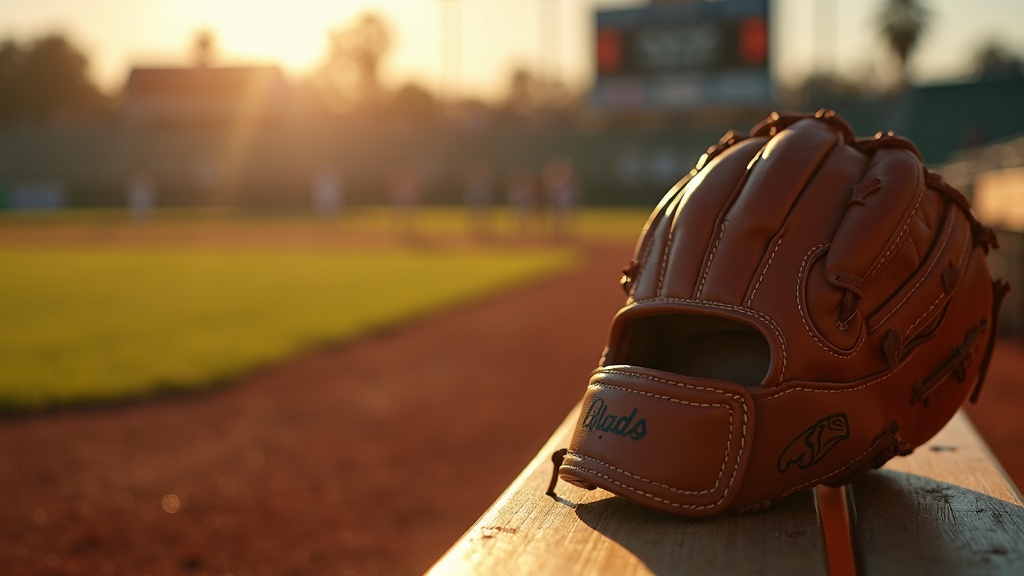
The best way to break in a new baseball glove is slow, steady use combined with light conditioning — playing catch, working the pocket by hand, and occasionally using a small amount of glove oil or conditioner to soften the leather. There’s no shortcut that beats simple repetition: the more you close the glove around a ball in the same spot, the faster a natural pocket forms. Ovens, microwaves, and soaking a glove in water can speed things up but also risk cracking or warping the leather, so patience is usually the safer bet.
Every ballplayer remembers the stiff, cardboard-like feel of a brand-new glove straight out of the box. It looks great, smells like fresh leather, and is nearly useless for actually catching anything until the fibers relax and the pocket takes shape. Breaking it in properly isn’t just about comfort — it affects how quickly the ball transfers out of the glove, how the fingers close around a catch, and how long the glove lasts overall. Since a good glove is a real investment, it’s worth taking the process seriously rather than rushing it. If you haven’t picked one out yet, our Equipment & Gear section and the guide to choosing the right youth glove size are good starting points before you even get to break-in day.
Why breaking in a glove matters
A stiff glove doesn’t close naturally around the ball, which means more balls popping out on transfers or bobbling on contact. Over time, repeated use softens the leather fibers and molds the glove to the shape of your hand and your preferred pocket location — whether that’s more toward the fingers for an infielder needing a quick exchange, or deeper in the pocket for an outfielder tracking fly balls. A well broken-in glove also just feels different: it closes with less effort, the leather flexes where you need it to, and it holds its shape between uses instead of springing back open. The glove itself has come a long way to get to this point; if you’re curious about that backstory, the site’s piece on how the baseball glove has evolved over 150 years is a fun detour.
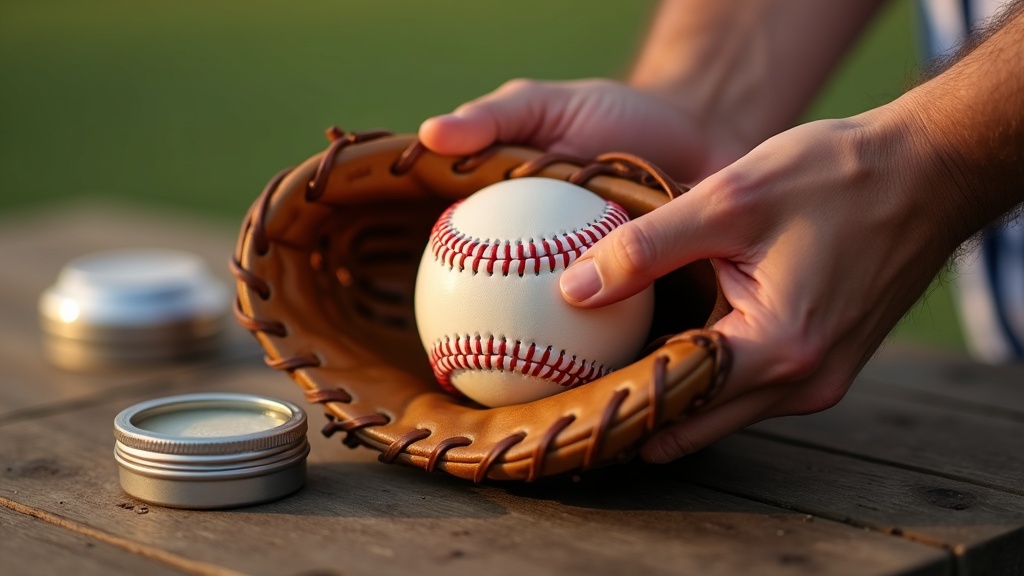
The safest, slowest method: playing catch
Nothing breaks in a glove better than actually using it. Playing catch repeatedly, in the same motion, trains the leather exactly where it needs to bend. It takes longer than the shortcuts, but it’s the method least likely to damage anything, and most experienced players and coaches will tell you it produces the best long-term feel.
- Play catch daily if possible, even short sessions, rather than one long session occasionally.
- Catch the ball in the same spot in the pocket each time to encourage a consistent shape.
- Rotate the glove in your hand between throws so the leather flexes evenly, not just in one crease.
- Use a real baseball rather than a softer training ball, since the firmness helps form the pocket accurately.
Working the glove by hand
Between catch sessions, you can speed up softening by physically working the leather. Fold the glove closed around a ball, roll the fingers back and forth, and press firmly along the hinge points where the fingers meet the palm. Some players like to punch a fist into the pocket repeatedly to loosen the fibers in that exact spot. This kind of manual work doesn’t replace playing catch, but it complements it, especially in the first week or two when the leather is stiffest.
Using glove conditioner or oil
A light application of leather conditioner or glove oil can help soften stiff spots, but more is not better. Too much oil can oversaturate the leather, making it mushy, heavy, and prone to losing its shape faster than it should. A thin coat, worked in with a clean cloth and allowed to absorb overnight, is usually plenty. Focus on the areas that flex the most — the hinge between the thumb and fingers, and the base of the pocket — rather than soaking the whole glove. Manufacturer-specific conditioners are generally a safer bet than generic oils, since some leather treatments not designed for gloves can darken or damage the material.
Wrapping the glove overnight
A classic method: place a ball in the pocket, fold the glove closed around it, and wrap it snugly with string or a belt, then leave it overnight or for a few days. This helps set the pocket shape once the leather has already softened somewhat through use or light conditioning. It’s most effective as a finishing step rather than a starting point — wrapping a completely stiff, unconditioned glove around a ball won’t do much on its own.
What the rules say about altering a glove
Breaking in a glove is normal; changing its dimensions is not. The Official Baseball Rules say each fielder other than the catcher may use a leather glove, with maximum measurements and a webbing design that may not be built as a net-type trap (Rule 3.06). For first basemen, the mitt must be constructed so the space between thumb and finger sections is permanently fixed and cannot be enlarged, extended, widened or deepened by any materials or process (Rule 3.05) (2026 Official Baseball Rules). So conditioning, wrapping and playing catch are fine, but do not stretch a glove beyond the limits in your league’s rulebook. For sizing before you break one in, see our glove size guide.
Faster methods and their risks
Some players turn to more aggressive shortcuts when they need a glove ready quickly, such as before a tryout or the start of a season. These can work, but they carry more risk to the leather if overdone.
| Method | How it works | Risk level |
|---|---|---|
| Playing catch | Repeated natural flexing softens leather over days or weeks | Low |
| Hand-working the leather | Manually folding, rolling, and pressing the glove | Low |
| Light conditioner application | Softens fibers chemically in targeted spots | Low to moderate if overused |
| Wrapping with a ball overnight | Sets pocket shape after leather has softened | Low |
| Steaming | Heat and moisture soften leather quickly, often done by a pro shop | Moderate |
| Oven or microwave heating | Heat softens leather fast but can dry it out or warp shape | High |
| Soaking in water | Softens leather almost instantly but can cause cracking as it dries | High |
If you’re tempted by steaming or heat-based methods, many sporting goods stores that sell gloves offer a professional steaming service, which is generally safer than doing it yourself at home with an oven or hot water, since it’s calibrated for leather rather than food.
How long does it take?
There’s no fixed timeline, since it depends on the glove’s leather quality, how often it’s used, and which break-in methods are combined. A glove used for regular catch and practice might feel game-ready within a few weeks, while one that only comes out occasionally could take a full season to soften completely. Premium leather gloves are often stiffer out of the box but tend to hold their shape longer once broken in, while lighter, more affordable gloves may soften faster but wear out sooner too. This is one more reason it’s worth comparing options before buying rather than after — the Equipment & Gear archive has more on picking gear that fits your level of play.
Caring for the glove once it’s broken in
Once a glove reaches that ideal game-ready feel, a little maintenance keeps it there. Store it somewhere with stable temperature and humidity rather than a hot car trunk, which can dry out leather over a season. Reshape the pocket with a ball and glove wrap during the off-season if the glove starts to lose its form. Wipe off dirt and moisture after games rather than letting it sit damp. These small habits matter more for glove longevity than any single break-in trick, and they apply whether the glove belongs to a Little Leaguer or an adult league player. For families just getting into organized play and sorting out gear alongside everything else, the Youth & Travel Baseball hub covers a lot of the related basics, from tryouts to travel team costs.
Frequently asked questions about breaking in a baseball glove
How long does it take to break in a new baseball glove?
It varies widely based on leather quality and how often the glove is used, but with regular catch and some hand-working, many gloves start feeling game-ready within a few weeks, while less frequent use can stretch the process out over a full season.
Is it bad to put a baseball glove in the oven?
Oven heat can soften leather quickly, but it also risks drying it out, cracking the fibers, or warping the shape permanently, so most experienced players and pro shops consider it one of the riskier shortcuts compared to slower, natural break-in methods.
What oil should I use to break in a baseball glove?
A conditioner or oil made specifically for baseball glove leather is generally the safest choice, applied thinly and worked in with a clean cloth, since generic household oils or excessive amounts can oversaturate the leather and make it lose its shape.
Should I sleep with a ball in my glove?
Wrapping a glove around a ball with string or a belt and leaving it overnight or for a few days is a common way to help set the pocket shape, and it works best after the leather has already been softened somewhat through use or light conditioning.
Can you break in a glove too fast?
Yes, aggressive methods like soaking in water, heavy oiling, or oven heating can soften leather quickly but often at the cost of durability, leading to cracking, warping, or a shorter overall lifespan compared to gradually breaking the glove in through regular play.
Reviewed against primary sources on October 3, 2026. We added the rules on glove alteration that day; the break-in methods themselves are general advice and are not tied to a governing body. Sources: 2026 Official Baseball Rules, Rules 3.05 and 3.06. Drafted with AI assistance; see our editorial policy.