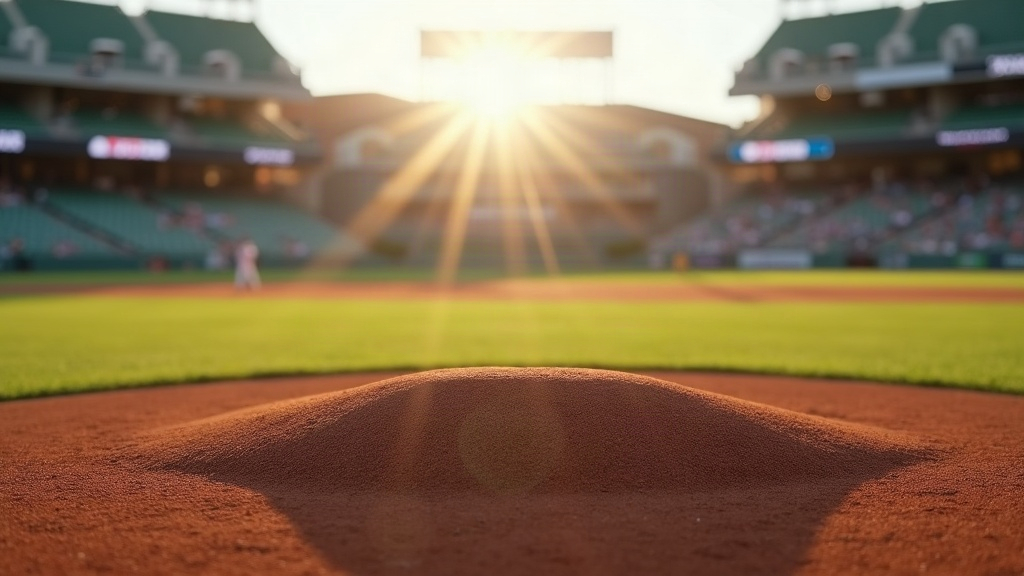
The pitcher’s plate in Major League Baseball is 10 inches above the level of home plate, according to Rule 2.01 of the Official Baseball Rules (2026 Official Baseball Rules). It was 15 inches until a rules panel voted on December 3, 1968 to lower it, along with shrinking the strike zone and a promise to be more vigilant about doctored baseballs. The goal was to bring offense back after the 1968 “Year of the Pitcher” (MLB.com: why baseball lowered the mound).
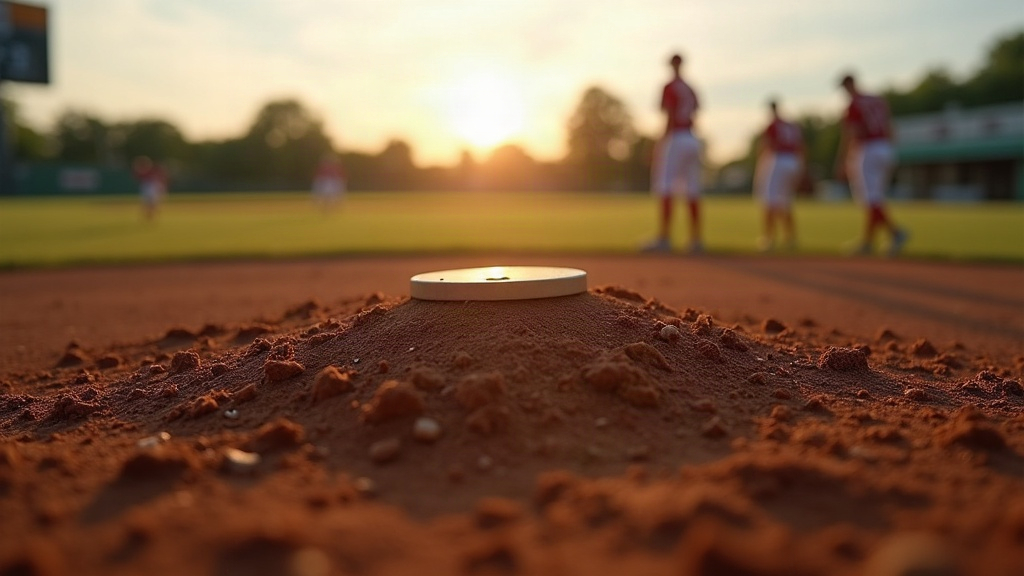
1968: why the rule changed
MLB.com’s look back lists the numbers that led to the change. The major leagues set a record low batting average of .237 and had the second-lowest on-base percentage ever (.299, two points behind 1908). Carl Yastrzemski won the American League batting title at .301, the lowest of any batting champion. Seven pitchers finished with an ERA under 2.00, and Bob Gibson’s ERA is the number most fans remember. MLB.com says that after the panel acted, offense rose from an average of 6.84 runs per game to 8.14 (same article).
The strike zone changed at the same time. The zone used from 1969 to 1987 ran from the batter’s armpits to the top of the knees, and MLB.com says it was introduced together with the lower mound (MLB.com glossary: strike zone). See how the strike zone works.
Whispers about mounds, and how MLB checks them
A tall mound can help a pitcher and a flat one a hitter, and for years there were stories about it. MLB.com wrote that there were whispers that some teams built mounds higher than the regulation 10 inches to help their pitchers while others kept them lower to help hitters, and stories of relievers complaining that the game mound felt different from the bullpen mound. The league’s field consultant, Mike Owens, told MLB.com that MLB set up a routine roughly 15 years earlier in which every two years inspectors check each field’s dimensions and lighting to make sure it still meets requirements (MLB.com: Making sure all the fields are right). We could not find a documented source for any specific team’s mound being found illegal, so we do not name one.
Mound height at a glance: pro and youth
| Level | Mound height | Source |
|---|---|---|
| MLB before 1969 | 15 inches | MLB.com |
| MLB 1969 to now | 10 inches | Rule 2.01 |
| Cal Ripken (ages 4–12), recommended | 6 inches | Babe Ruth Facility Guide (2016) |
| Babe Ruth baseball (13–18), recommended | 10 inches | Babe Ruth Facility Guide (2016) |
| PONY: Pinto and Mustang / Bronco / Pony / Colt | 4 / 6 / 8 / 10 inches | PONY division pages |
Little League’s field-specifications page does not list a mound height, so none is shown. Other youth programs vary; our league age and field finder shows each division’s distances. Mound height is part of how young pitchers are protected, along with pitch count limits. For the era, see the Dead Ball Era and the history of offense after the steroid era.
Frequently asked questions about pitcher’s mound height
Why did MLB lower the pitcher’s mound in 1969?
After the 1968 season, in which the majors hit a record-low .237, a rules panel voted on December 3, 1968 to lower it from 15 to 10 inches, shrink the strike zone and watch for doctored balls. MLB.com says offense rose afterward.
How tall is a pitcher’s mound today?
In MLB, 10 inches above home plate level under Rule 2.01. Youth fields use lower mounds in younger divisions.
How does MLB check mound height?
MLB.com reports that league inspectors check each ballpark’s dimensions and lighting every two years. We found no public record of the tools used.
Does mound height affect pitching?
MLB lowered it in 1969 specifically to reduce the pitcher’s advantage. We have no source for specific velocity effects, so we don’t state any.
Is the youth mound the same height as MLB’s?
No. Cal Ripken’s recommended mound is 6 inches, and PONY’s ranges from 4 to 10 inches depending on division.
Reviewed against primary sources on October 3, 2026. We rewrote this article that day. The earlier version described a Whitey Herzog accusation against Dodger Stadium and 2010s spot-checks finding illegal mounds; we could not find a source for either, so we removed them. Sources: 2026 Official Baseball Rules, Rule 2.01 · MLB.com: lowering the mound · MLB.com: field inspections. Drafted with AI assistance; see our editorial policy.